Insidious: Out of the Further
2026 · Movie

RidoMovies
Know the title? Search it. Need an idea? Explore the movies, series, and genres below.
2026 · Movie

2026 · Movie

2026 · Movie

2026 · Movie

2026 · Movie

2026 · Movie

2026 · Movie

2026 · Movie
2026 · Movie
2026 · Movie

2026 · Movie

2026 · Movie
2018 · TV Series

2024 · TV Series

2026 · TV Series

2023 · TV Series

1999 · TV Series
2024 · TV Series
2026 · TV Series

2020 · TV Series

2024 · TV Series
2018 · TV Series

2026 · Movie
2023 · TV Series
Open the RidoMovies catalog on a phone and understand the difference between shortcuts and app downloads.
Read guide →Find a film again when a RidoMovies address or old bookmark changes.
Read guide →Get past a missing result, a failed page load, or an unexpected viewing handoff.
Read guide →Find another viewing option for the same movie or a different film with a similar story.
Read guide →Someone wants a comedy. Someone remembers a film but not its year. Someone would rather start the series they have been hearing about. RidoMovies gives those choices a clear place to meet: search the name, read the premise, compare the format, and keep the promising titles in My List. You can make the decision together without turning every recommendation into another long search.
Browse movies and TV shows for free, without an account. Explore genres and release years, open title details, and use Watch Now for viewing options through JustWatch in your selected country. Whether you came for a familiar series, a family watch, an action movie, English subtitles, or an HD edition, begin with the production and the people who will be watching it.
Before choosing a poster, agree on the kind of evening you want. A feature film offers a different commitment from the start of a series. A familiar comedy can suit a relaxed gathering, while a mystery may be better when everyone wants to pay close attention. You do not have to agree on a favorite genre to agree on the experience you are looking for tonight.
Open Movies or TV Shows to separate the formats first. Then choose a few candidates and read their descriptions aloud if you are deciding with other people. The central situation often explains the appeal more clearly than a row of labels. “A detective investigating a death aboard a submarine” gives the group something more concrete to consider than “another thriller.”
Keep the shortlist small enough to compare. One person can suggest a familiar choice, another something new, and a third an alternative if the first offer is unavailable. Save the candidates you are not choosing so that a good recommendation is not lost. My List preserves the title without making it the next mandatory item in a queue.
Check the practical details before everyone settles in. Look at the runtime, age information when relevant, required language, and viewing service. A film can be an excellent choice on one evening and a poor fit when there is not enough time to finish. Choosing another title now does not mean the first recommendation was wrong. It means you are matching the story to the occasion.
Once the choice is made, give it a little room to introduce itself. You do not need to keep comparing posters through the opening scene. If the tone is clearly unsuitable, change the selection, but do not let the possibility of another choice prevent you from enjoying the one you agreed on. A useful catalog should lead into watching, not keep the decision permanently unfinished.
The Family Movies guide and Family collection offer a way to begin a shared search. Family is a broad genre, not a single age recommendation. A film may involve family relationships while still containing intense action or difficult themes. Read the premise and the individual title's maturity information rather than relying on a cheerful image or familiar character.
Think about what the youngest viewer can comfortably follow and what the rest of the group will enjoy. A story with a clear objective may be easier to share than one built around complicated backstory. A dub can help children who are not yet comfortable reading subtitles, while captions may help another member of the group. These are practical ways to make one viewing choice work for several people.
For television, SpongeBob SquarePants provides a recognizable setting through Bikini Bottom and its recurring characters. Familiarity can make an episode an appealing option, but still choose the actual episode and consider the people watching. A series with a long history can contain many different stories, tones, and running jokes rather than one uniform experience.
A rating is useful context, not a complete description of a child or a household. Services often provide reasons alongside the age category, which can help you understand whether the concern is language, fear, violence, or another theme. Netflix's maturity-rating explanation is one example of how a service presents that information. Check the guidance for the edition you actually choose.
Keep another suitable title saved if the first choice does not fit. A short change of plan is easier when nobody has to restart the entire search. You can return to the original film at another time or with another audience. The point of family browsing is finding a story the group can enjoy together, not treating every film in a category as interchangeable.
Open the Comedy collection when you want humor, then narrow the choice by situation and tone. A warm adventure, an uncomfortable dinner, a workplace series, and an adult satire may all sit within comedy while producing very different reactions. Ask what kind of laughter you want rather than expecting the genre to mean a uniformly light or child-friendly film.
ted uses a talking bear in a household setting. That striking character makes it easy to recognize, but a bear on the poster is not evidence that the program is intended for young children. Read the description and service guidance. The contrast between an unusual character and everyday family life can be the appeal for the right audience without making it the right choice for every audience.
A comedy series can work when you want returning personalities rather than a whole new story setup. A film can be a better fit when you want a self-contained beginning and ending. Consider whether the humor depends on knowing earlier episodes, an established fictional world, or a particular style of performance. A familiar name alone does not tell you how easy it will be for a newcomer to join.
Dialogue matters in many comedies. Quick exchanges, interruptions, and changes of tone can be lost if the room is noisy or the captions are difficult to read. Select the audio and text combination before the story becomes busy. A joke does not become less enjoyable because someone uses subtitles; the helpful choice is the one that lets everyone follow the scene.
For a mixed group, explain the premise rather than promising that everybody will find it funny. Humor is personal, and that need not make choosing impossible. A concrete description gives people a way to say whether the situation interests them. Keep another option in reserve and choose without turning different tastes into a problem that the catalog must somehow eliminate.
Animation can tell a broad adventure, a quiet relationship story, an adult comedy, or a fantasy with complicated rules. The medium tells you how images are made, not everything about the audience or tone. Use the description beside the artwork, particularly when a recommendation arrives as only a character's name or a franchise title.
That Time I Got Reincarnated as a Slime begins with an ordinary worker reborn into an unfamiliar world. The premise is a useful introduction to its fantasy rather than a reason to guess the whole story from the word “slime.” For a continuing animated series, check the starting point and the service's season arrangement before selecting an episode.
Franchise searches need particular care. A phrase such as Toy Story can refer to a series of films rather than one precise production. A television spin-off, short, special, or later sequel may appear in a broader web search. Use the full title and year when you know them. If the desired entry is not in this catalog, preserve those details for a viewing search instead of selecting another production because its artwork looks familiar.
Live action and animation can also share a name. Our ONE PIECE entry identifies the live-action series that began in 2023. It should not be confused with the long-running animated adaptation or a film in the same fictional world. The production year and description establish which version you opened before you compare the episodes on a service.
Choose language tracks with the intended viewers in mind. Original voices, an available dub, and translated subtitles offer different ways to follow the performance. A service may supply one combination for a season and another elsewhere. Confirm the actual options early if you plan to watch several episodes together, so the language arrangement remains useful after the first installment.
The Action Movies collection gives you a starting point when movement and conflict are part of the appeal. The central objective helps distinguish one film from another. A pursuit asks you to follow escape and obstacles; a rescue gives a character someone to reach; a rivalry can make changing loyalties more important than the immediate physical danger.
The Mongoose introduces a falsely accused man in a televised cross-country chase. Its premise can interest someone drawn to pursuit stories and a public watching events unfold. Motor City introduces a man planning revenge after imprisonment. Those are different situations even when both involve a character whose life has been disrupted by an accusation.
For a recent or upcoming film, treat the synopsis as an introduction rather than a claim that a full stream is already available. Open Watch Now to inspect the actual offers for your country. If there is no suitable edition yet, save the title and choose another film for tonight. Interest in a release can begin before its home-viewing availability.
Intensity is worth considering when choosing action for several people. Adventure with comedy can feel different from an action-horror story, and a dramatic revenge premise may be more demanding than a playful chase. Read the service's content information where that matters. You can understand the broad tone without seeking a detailed description of every event or revealing the ending.
Pick a screen and sound arrangement that lets you follow movement comfortably. A very loud soundtrack or an image cropped to fill a screen may not improve the experience. Good captions can help with dialogue during busy scenes, while a stable quality setting can prevent interruptions. Let those settings support the film rather than become a competition to use the largest numbers available.
RidoMovies TV shows include several kinds of continuing story. You may want a familiar setting, a season-long question, or relationships that become more interesting over time. Use the TV format in search to keep those choices separate from films. A series title tells you the program; its offered seasons determine the specific part you can start or continue.
Vigil introduces an investigation involving a death aboard a submarine. A confined setting can make a mystery feel different from one spread across a city or several generations. If you enjoy uncertainty and a limited group of people, the premise can be more useful than a high position in a popular list. Keep detailed plot discussion for after the episodes if you want to follow the clues as they unfold.
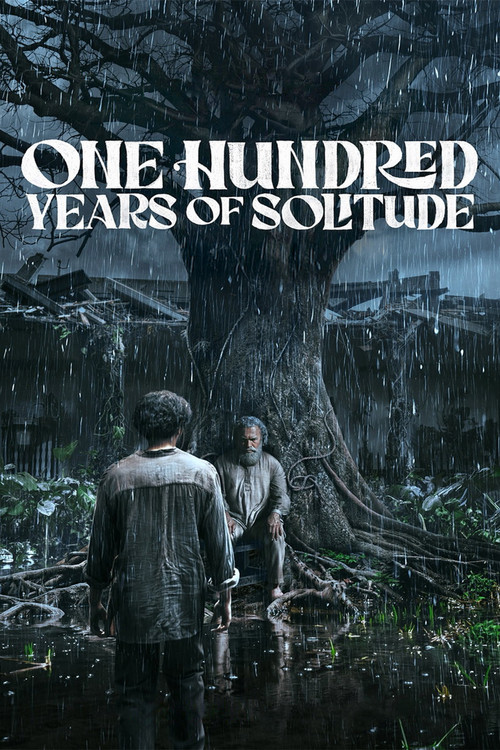
One Hundred Years of Solitude offers a different scale through the Buendía family and the town of Macondo. A story involving generations asks another kind of attention from a tightly focused investigation. Read the setup and decide which experience fits your interest. Neither is automatically the better choice simply because both can be classified as drama.
When beginning a show, check the first intended episode rather than choosing the latest thumbnail. Specials, split seasons, and adaptations can be arranged differently by services. If you are resuming, confirm the episode name alongside the number. A recap can expose events from later in the story if the wrong installment opens.
My List keeps the series handy, but playback history belongs to the service where you watch. Note the last completed episode if you move between services or devices without shared history. Before choosing an offer for a long run, inspect which seasons it includes. A single available premiere is not the same as a complete viewing path through the program.
RidoMovies puts title search close to the beginning because many visits start with a name. Use the Search page for a specific movie or show, then apply the format, genre, or year when it clarifies the results. Search works with title and original-title text. It does not require a sentence about how or where you want to watch.
If you copied a phrase from a search engine, remove the website name, quality wording, and download instructions from the title field. “RidoMovies free movies online” describes a kind of search, but those words are not the name of the film you are trying to locate. Put the production name in the box and use the controls for the remaining preferences.
A short title can need more context. DC, for example, identifies a particular production involving Devadas and Chandra, not every film associated with the same familiar initials. Read the original language, year, and description when a name can mean several things. A result should fit the story you intend, not merely contain the same letters.
Format is useful when a film and a series share a name. The release year helps with remakes, while the overview can distinguish unrelated productions. If you are unsure of a detail, leave that filter open. An incorrect restriction can hide a title that would otherwise be easy to find. Remove one uncertain filter at a time when the result list becomes unexpectedly small.
Sorting gives you different ways to inspect the matches. Alphabetical order is useful for scanning names, release date for chronology, and popularity or rating for other starting points. These arrangements do not replace the synopsis. Once a result interests you, open the details and decide whether its premise is what you had in mind.
A year can be the strongest clue in a half-remembered film search. You may remember an evening, a holiday, or the people you watched with more clearly than the title. RidoMovies year searches such as 2002, 2005, or 1998 can help organize that memory, but distinguish the year a film was released from the year you first saw it. A childhood favorite could already have been several years old.
Open Release Years to browse the years represented in the current selection, or use the search-year control with a title fragment. A year not represented by an entry is not evidence that films from that period no longer exist. It simply means the current selection does not provide that exact browse. Keep the useful clue while widening another search if needed.
If the year is uncertain, start with the title fragment and inspect nearby dates instead of making the uncertain date a strict condition. Memory often attaches a film to when it became available at home, when a local release happened, or when a later edition appeared. Those can be different from the production's first-release year shown in the catalog.
A remake can make the distinction especially important. You may recognize a title from an older film while a service prominently displays a recent adaptation. Compare the cast information available on the service, the setting, and the synopsis. A familiar premise does not make the productions interchangeable if you wanted to revisit one particular performance or version.
For television, the catalog year generally marks when the program began. A season watched in 2005 may belong to a show that started earlier, and a later season does not create a new series entry just because its release date changed. Search the program name, confirm its starting year, and inspect the season list on the viewing service for the installment you remember.
Older films can also be new discoveries. A production does not need to be a current release to feel fresh to someone seeing it for the first time. Use the year as information about the title rather than as a verdict on whether it deserves attention. The premise, performances, and experience you want remain more useful reasons to choose than simply favoring the newest date.
After identifying a title, consider which edition you want to watch. A restored release, an extended cut, a dubbed version, and a remake are not the same kind of difference. The production name and year establish the film, while the service's offer describes what it supplies. Keep those two layers separate when a specific version is important to you.
A longer running time can suggest another cut, but it is not enough on its own to establish one. Credits, logos, or the way a service rounds duration can change the displayed number. Look for an explicit edition label and description. If you are discussing a scene with someone who watched another version, confirm that both copies include the same material before assuming one person remembers it incorrectly.
A restoration can improve the presentation of an older film without making it a new adaptation. A remake can retell a familiar story through different performers, pacing, and choices. Neither distinction tells you automatically which version to prefer. Choose the one you meant to revisit or the interpretation that interests you now, and keep the year visible when comparing offers.
Audio can be part of that identity too. A familiar dub may use performers you associate with the film, while another release may have a different recording. If that matters to a shared rewatch, listen to a short passage or read the offer's details before starting. The language name alone may not identify every difference between soundtracks.
When recommending a version, include the full name, year, and any meaningful edition label. That small amount of context can prevent a friend from opening a sequel or remake by mistake. RidoMovies title pages provide a clear starting reference; the final viewing service confirms the particular edition, available tracks, and conditions you will use.
Trending can introduce a title receiving attention, while Top rated offers another way into the selection. Use either as a starting point rather than a command to watch in order. A popular thriller may not suit the relaxed comedy evening you planned, and a less familiar film may have exactly the premise your group wants.
RidoMovies uses ratings from The Movie Database, commonly called TMDB. Those scores are not IMDb ratings, even though Top IMDb is a familiar phrase people use when looking for highly rated movies. Different audiences and rating systems can produce different numbers. Treat the score as one observation alongside the title, genre, and description.
A newer film may have few responses, while an older favorite may have accumulated many. A small difference between scores does not necessarily explain which one you will enjoy. You can use a strong rating as a reason to read more without making it the whole decision. The premise and the people watching still matter.
Latest releases also deserve a careful reading. An upcoming movie can have a poster, date, and synopsis before a suitable full-length viewing offer is available. Open the title's watch options to check. If you want something immediately available rather than simply something recent, let that practical need guide the final selection.
Browsing RidoMovies is free. To watch a selected production, open its title page and follow Watch Now to JustWatch for your viewing country. Compare the matching result with the year and format you found here, then inspect the available services. You might find a free or advertising-supported stream, an included subscription offer, a rental, or a purchase.
For free movies online, look at the terms of the actual offer. A free-to-browse catalog does not establish that every poster leads to a free video. An advertising-supported service can also have different title availability by country. Choose the production and region first so that the options you compare answer the question you are actually asking.
Check existing subscriptions before starting another one. A film may already be included in a service you use, while an offer under a familiar platform name may require an additional channel or separate payment. Read the details attached to that title. A logo is not a complete explanation of what your current plan includes.
For a one-off movie night, the rental window can be important. Make sure there is enough time to begin and finish under the service's current conditions. For a series, inspect the desired season rather than assuming one episode represents the whole program. A free sample can be useful without being a complete solution for continuing the show.
Keep the choice balanced. Price matters, but so do readable subtitles, a suitable audio track, and a service that works on your device. An inexpensive offer that nobody can comfortably follow may not be the best fit. Compare those details before the group settles in, and use another saved title if the current options do not work for tonight.
Subtitles can be the difference between a film the group wants to watch and an edition the group can actually use. You may need English text for another spoken language, captions for quiet dialogue, or a dub that lets younger viewers follow without reading. Check those choices on the viewing service before committing to the edition. A catalog's original-language label does not list all its available text and audio tracks.
Choose the spoken language and subtitle language as a pair. Original audio preserves the performers' voices; a dub can make a scene easier to follow for someone concentrating on the picture. Translated subtitles and captions that describe sounds serve different purposes. If identifying speakers or hearing relevant effects is difficult, look for the more descriptive caption option where the service provides one.
Services can place these controls in different menus. Netflix's audio and subtitle guide, for example, explains its own selection process. Use the corresponding help for the service and device you choose. A control on a television application may be arranged differently from the same service in a phone browser.
Try the text from the actual viewing distance. A subtitle size that is clear on a handheld tablet can be difficult to read across a room. Where appearance controls are available, choose strong contrast and a comfortable size without hiding too much of the picture. An opaque or translucent background may help text remain readable over bright, changing scenes.
If the captions are missing, confirm the selected track for the current title rather than assuming the preference from another film carried over. If they appear late or early, check the edition and try a supplied timing adjustment if one exists. A track made for another cut can drift even after a simple offset is corrected. Comparing another available track or edition may be more useful than repeated adjustment.
For television, check the seasons you plan to watch. A first episode with the right language does not establish that every installment has the same options. Keep the title, season, episode, device, and desired language together if you need help. Those details turn a vague subtitle complaint into a question the viewing service can answer more precisely.
HD streaming is useful when it gives you a clean, stable picture that is comfortable to follow. A 1080p or selected 4K edition can offer more resolution, but image quality also depends on the source, compression, display, and connection. The most useful setting is the one that works throughout the movie, not merely the largest number shown before playback.
Consider the screen first. A smaller mobile display may look good at a stable HD setting while using less data than a higher option. A large television can make additional detail more noticeable. Viewing distance matters too. Do not assume that the same preference must follow you from a phone on a journey to a television in a quiet room.
The chosen service determines which qualities are available for each title. Plan requirements, device support, the offered edition, and regional availability can all matter. A 4K-capable screen does not guarantee that every browser, cable, app, or film will deliver 4K to it. Check the relevant service information when a particular format is important to your choice.
Adaptive bitrate playback, where supplied, can adjust to changing connection conditions. You may see a softer picture temporarily while the video continues. A fixed setting can suit a steady connection, but it may produce pauses when conditions change. Try automatic or a lower level if the interruption is more distracting than the reduced detail. Let the result guide the choice.
Keep the intended image proportions. Stretching a film to fill every part of a display can distort faces or remove details at the edges. Black bars can be part of preserving the original picture rather than a sign that the stream is broken. Choose the service's fit or original-aspect option when available, then adjust room lighting if reflections are making the image hard to see.
Sound and text deserve the same attention as resolution. A clear dialogue track, readable captions, and comfortable volume can improve the experience more than a quality badge. The title page helps identify the production; the selected service supplies the video presentation. Check an actual scene before deciding whether the arrangement fits the people watching.
RidoMovies can be browsed in a modern phone, tablet, or desktop browser. Use the smaller screen when a recommendation comes up in conversation, then save the title for later. A computer provides more room to compare descriptions and filters. You can choose on one device without deciding that the same device must handle the whole movie.
On mobile, start with the movie or TV format and add only the filters you need. If the result list is empty, remove a restriction before changing the title completely. Open the details to read the full premise, and check the year when similar productions appear. A narrow poster card is an introduction, while the title page provides the context for saving or watching.
For mobile streaming after the viewing handoff, consider connection consistency and data use. A high quality setting can consume more data, while a moving connection may require an automatic or lower option. Use the settings offered by the service. If you need offline viewing for a journey, inspect that service's download feature before leaving a reliable connection.
For a Smart TV, use a viewing application supported by the model or streaming device. A television browser may handle navigation and video differently from a desktop browser. If typing with a remote is awkward, identify the exact title on your phone and then search for it inside the supported television app. The year helps when a remake or series shares the same name.
Casting and screen mirroring depend on the sending app, receiving device, and network. Use the selected service's supported Cast or AirPlay option where available instead of assuming any open webpage can send its video to any screen. If the device is not listed, check that service's setup information. A compatible catalog page and a compatible video player are separate parts of the experience.
A console can also be useful when a supported viewing app exists for it. Confirm the service and device combination before planning the evening around it. On a desktop, use the player's documented keyboard shortcuts and make sure the player has focus. A key that pauses one video may type into a search field or move the page elsewhere.
If you want a quick return on your phone, open the App page for browser-access guidance. Some browsers offer Add to Home Screen or a related shortcut command. That can put an easy-to-recognize entry beside your other frequently used sites. The command and its location vary by browser and operating system.
A shortcut opens the website. It is not the same as downloading an Android APK or adding a separate movie player to the device. This website does not publish a native RidoMovies installer. You can still use title search, categories, details, and the local saved list without one. No installation is required simply to find the film you want.
When another application uses a similar name, read its publisher and function before assuming it connects to this catalog. A movie-information tool, remote-control app, or media organizer can have a familiar-looking name without doing the same job. Use the appropriate application for the feature you need rather than treating the name as a complete description.
Browsing preferences can differ between environments. A regular browser, a private session, and an embedded browser inside an app may not share the same stored list. If an important title disappears from one view, return to the browser where you saved it before clearing more data. Keep a bookmark or title note for choices you particularly want to preserve.
Sometimes the real need behind a downloader search is straightforward: you want to watch during travel, avoid an unreliable connection, or finish a film later without streaming again. Look at the selected viewing service's offline options for that purpose. A supported app may offer downloads for particular titles, devices, and plans, with its own storage and expiry conditions.
RidoMovies does not provide an MP4 converter or movie-file downloader. My List saves the title page so you can find it again; it does not save the video. A browser bookmark does the same kind of referencing, while an offline movie requires a service that actually supplies the media and a way to play it without a connection.
Before traveling, confirm that the download finishes and opens inside the supported app. Check whether the required audio and subtitle languages are included, and read the service's current rules for starting or completing an offline title. A listing on the device does not necessarily mean the download is complete or that every language track was stored with it.
If offline viewing is not offered, choose another available title or plan the watch for a reliable connection. You can keep the original film in My List without repeatedly searching for a download button that is not present. The practical goal is a usable viewing arrangement, and a different edition or service may answer that need more directly.
My List gives an unfinished decision somewhere to stay. Save a movie while comparing offers, keep a series for a quieter evening, or collect a few options before the family chooses together. The saved title brings you back to its details so you can remember why it interested you.
Use the list as a practical shortlist rather than a record of every poster you passed. Remove titles you have finished or no longer want to watch. A small set of relevant choices is easier to revisit than a large collection that no longer reflects your interests. You can always save another production when a new recommendation arrives.
RidoMovies stores saved titles in the current browser without an account. Another device or browser profile can have a different list. Clearing site data or ending a private session may remove those choices. For an important title, keep a separate bookmark or note. This local convenience does not create automatic synchronization between the group's phones and computers.
A saved entry is also not an availability alert or an episode tracker. Check the viewing offer again when you return, and preserve your stopping point with the service where you watched. The film can remain worth seeing even if a previous rental or subscription offer changes. My List keeps your interest attached to the title while you decide when and where to watch.
Use Countries to set the region for viewing links. That preference helps you compare offers for where you watch; it does not restrict the catalog to productions made there. A viewer in the United Kingdom can browse a Spanish-language series while checking the services available in the United Kingdom.
Use Languages when the film's original language is part of what you want to explore. Then check the actual audio and subtitle choices on the viewing service. Country, original language, dub, and caption language can all differ within one viewing decision. Keeping them separate makes the filters easier to use.
If a friend in another region recommends a service, begin with the title rather than assuming the offer is identical at home. Regional catalogs and access conditions can change. Your saved film remains useful even when you need another service. Select your own region and compare the options that actually fit your device and language needs.
The Not Working guide helps when a page, result, or viewing step behaves unexpectedly. Start with what you can still do. If the homepage opens but a search is empty, check the query and filters. If the title page opens but the viewing service fails, the interruption is later in the process. A useful explanation starts at the failing step rather than treating the whole experience as one system.
For an empty result, search the title without a guessed date or category. For an incomplete page, reload once and compare another page on the same site. If only an old bookmark fails, use the homepage to search for the production again. A changed title address can leave the rest of the catalog working normally.
For a video that pauses or will not start after you choose a service, use that service's playback guidance. Try another title in the same service to see whether the problem is specific to one offer. If the player supplies quality options, a lower setting may help with a fluctuating connection. Avoid changing many settings simultaneously, since you then lose track of which change affected the result.
Questions about streaming servers and backup sources belong to the player supplying them. This RidoMovies catalog does not operate a selectable video-server panel. Compare another viewing offer for the same production if the current service cannot provide a suitable experience. Keep the title, season, episode, and approximate position when moving so that finding another offer does not mean losing your place.
If you need support, record the exact message, device, browser or app, and action that failed. Clearing all browser storage can remove a local saved list without resolving a service-side interruption. A focused report makes the next step easier to choose and helps preserve the parts of your setup that are already working.
A search for RidoMovies TV can mean the television catalog or a remembered website address. If you want series, use TV Shows in the navigation. If you are trying to recover an old link, visit the Domains page and keep the production's name and year as your reference. That information remains useful when the address itself no longer opens.
Different websites can use similar names and visual elements without sharing an operator. A mirror label or a copied logo does not establish that an account, saved list, or old history moved to the new address. This page does not designate an unconfirmed replacement as the official RidoMovies site. Use the catalog to find the intended production and continue to relevant viewing choices.
For unblocked access questions, distinguish a network restriction from a missing title or an unavailable service. A different domain does not change what a viewing provider offers in your country. If you use a managed school or workplace connection, follow its permitted-access rules. Keep the film saved for a suitable viewing arrangement rather than assuming every interruption needs another mirror.
Dated discussions, including RidoMovies Reddit posts, can help explain what other viewers encountered at the time. They are not live status monitors. Read the date, region, and reported symptom before applying a suggestion to your own device. A title-based search and a current offer are more useful than treating an old comment as a permanent working-link promise.
Open Alternatives when the first viewing option does not fit. Decide whether you need another service for the same title or another film for the same evening. Those are different searches. If the production matters most, preserve its exact name and year while comparing offers. If the group mainly wants a suitable comedy or adventure, return to the genre selection and your saved candidates.
Compare what matters in practice: the desired episode, subtitle language, cost, and device support. A service with more titles is not automatically more useful if the particular production or language you need is missing. An offer that is convenient on a computer may not fit the television you planned to use.
Keep a second choice ready without making it a lesser choice. Sometimes the alternate film becomes the evening's best discovery. Read its premise with the same attention you gave the first one, confirm the viewing details, and begin. RidoMovies works best when the search ends with a story the people watching actually want to follow.
Yes. You can browse movies and TV shows, use search and filters, read title details, and save My List without a RidoMovies account. Saved titles stay in the current browser. A viewing service may have its own account or payment conditions.
Open the title page, choose your viewing country, and follow Watch Now to JustWatch. Confirm the matching production and compare the current offers. The selected service supplies the video, including its available quality, audio, captions, and device support.
Browsing here is free. Use a title's viewing options to look for a free or advertising-supported offer in your country. Other offers can require a subscription, rental, or purchase. The catalog does not guarantee a free stream for every film or series.
Search the film name and use the year filter, or browse the years represented in Release Years. If the date is uncertain, remove it and compare title details. Remember that a show's listed year usually identifies its first release rather than a later season.
No single genre answers that for every child. Read the individual premise and the viewing service's age and content information. Consider tone, language, and the people watching. The Family Movies guide helps you choose a shared film without treating a poster as an age rating.
Use the browser catalog directly and visit the App page for home-screen access guidance. This website does not distribute a native APK installer. A shortcut opens the website; it does not add an offline movie file or a separate video player.
There is no movie-file downloader or MP4 converter here. My List saves a title reference. For offline viewing, check the selected service's supported application, available downloads, language tracks, storage requirements, and current expiry conditions for the production.
Open the language menu in the viewing service for the exact film or episode. Select the available audio and subtitle tracks you need, and adjust appearance where supported. Original-language information on a catalog page is not a list of every available dub or caption track.
Check the editions offered by the selected service. Available resolution can depend on the title, plan, country, device, and browser. Choose a quality setting that stays comfortable and stable on your screen. Poster resolution does not establish the resolution of the video.
Identify whether the problem is an old address, an empty search, a page load, or playback on the chosen service. Simplify filters for search problems and use the Not Working guide. For a video error after the viewing handoff, follow that service's device and connection guidance.